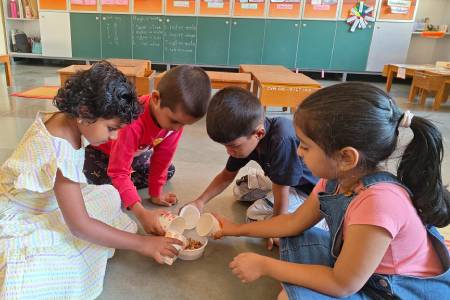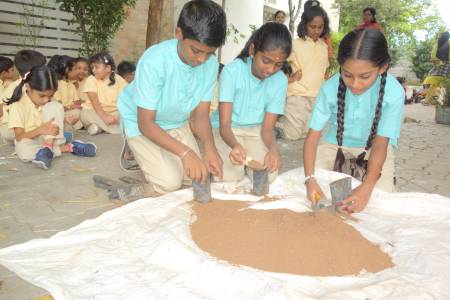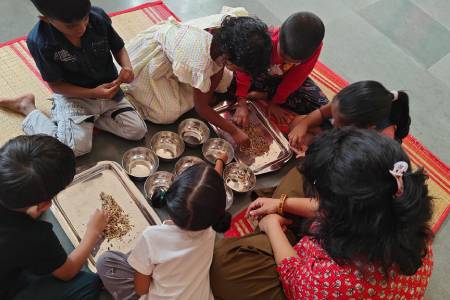




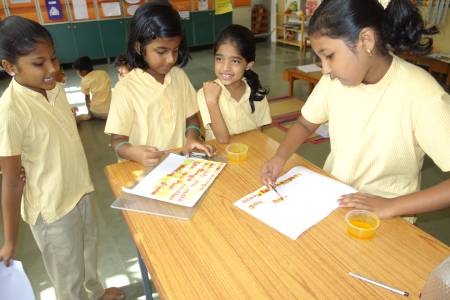
Students learning Cambridge secondary

What is the Cambridge Lower Secondary Programme and How Does It Prepare Students?


As children move from primary years into adolescence, their learning needs begin to change in meaningful ways. This stage requires a careful balance between academic structure and the freedom to explore ideas independently. The cambridge lower secondary framework is designed to meet these evolving needs, offering a steady and thoughtful progression in learning.


For many parents, understanding how the cambridge lower secondary stage supports both academic readiness and personal growth is an important part of choosing the right school. The Cambridge Lower Secondary programme provides clarity in this regard by combining strong subject foundations with skill-based development.


Understanding the Cambridge Lower Secondary Stage


The cambridge lower secondary stage typically caters to students between the ages of 11 and 14. It serves as a bridge between primary education and more advanced academic programmes. During these years, children begin to think more critically, question more deeply, and engage more actively in their learning.


The Cambridge Lower Secondary programme is structured to support this shift. It focuses on core subjects such as English, Mathematics, and Science, while also allowing room for broader areas of learning like global perspectives and digital literacy.


What stands out in the cambridge lower secondary approach is its flexibility. Schools can adapt the curriculum to suit their learning environment while maintaining internationally recognized standards. This ensures that students receive an education that is both relevant and rigorous.


Strengthening Academic Foundations


A key aspect of the cambridge lower secondary stage is the emphasis on building strong academic fundamentals. At this level, students move beyond basic understanding and begin to engage with concepts in a more detailed and applied manner.


In English, learners develop skills in comprehension, structured writing, and effective communication. Mathematics focuses on reasoning, patterns, and problem-solving rather than rote methods. Science encourages observation, experimentation, and logical thinking.


The Cambridge Lower Secondary programme ensures that these subjects are taught in a way that gradually increases complexity without overwhelming the learner. This steady progression helps students gain confidence in their abilities while maintaining curiosity.


Developing Critical Thinking Skills


One of the most valuable outcomes of the cambridge lower secondary stage is the development of critical thinking. Students are encouraged to analyze information, ask questions, and explore multiple perspectives.


The Cambridge Lower Secondary programme integrates inquiry-based learning into everyday classroom experiences. Instead of simply receiving information, students participate in discussions, research activities, and collaborative projects.


This approach helps children become active learners. In the cambridge lower secondary environment, they begin to understand not just what to learn, but how to learn. This distinction plays a significant role in preparing them for future academic challenges.


Assessment That Guides Growth


Assessment in the cambridge lower secondary framework is designed to support learning rather than create pressure. Regular evaluations provide insights into a student’s progress and help identify areas that need attention.


The Cambridge Lower Secondary programme includes tools such as checkpoint assessments and continuous feedback. These methods allow teachers to adjust their instruction and offer targeted support.


For students, this means a clearer understanding of their strengths and areas for improvement. For parents, it provides a more complete picture of their child’s development within the cambridge lower secondary stage.


Encouraging Global Awareness


As students grow, it becomes important for them to understand the world beyond their immediate surroundings. The cambridge lower secondary approach introduces learners to global ideas and perspectives in a structured manner.


Through components of the Cambridge Lower Secondary programme, students engage with real-world topics, cultural diversity, and global challenges. They learn to think about issues from different viewpoints and express their ideas with clarity.


This exposure helps build empathy, awareness, and adaptability. The cambridge lower secondary stage plays an important role in shaping students into thoughtful and responsible individuals.


Supporting Holistic Development


Academic growth is only one part of a child’s journey. The cambridge lower secondary stage also emphasizes the importance of co-curricular and personal development.


Students are encouraged to participate in activities such as arts, sports, and collaborative projects. These experiences complement the academic structure of the Cambridge Lower Secondary programme and contribute to the development of confidence, teamwork, and resilience.


At this age, children are exploring their interests and discovering their strengths. The cambridge lower secondary environment provides the support and flexibility needed for this exploration.


Preparing for Future Academic Pathways


The cambridge lower secondary stage lays a strong foundation for higher levels of education, including programmes such as IGCSE. The skills developed during these years are essential for handling more advanced academic expectations.


The Cambridge Lower Secondary programme focuses on building analytical thinking, structured expression, and independent learning habits. These skills ensure that students are well-prepared for the next stage of their academic journey.


By the end of the cambridge lower secondary stage, learners are better equipped to manage increased academic demands with confidence and clarity.


The Role of Teaching and Learning Approaches


The success of the cambridge lower secondary framework depends largely on how it is implemented in the classroom. Teaching methods play a crucial role in shaping student experiences.


In the Cambridge Lower Secondary programme, educators act as facilitators who guide students through exploration and discovery. Lessons are interactive, discussions are encouraged, and students are given opportunities to express their ideas.


This creates a supportive learning environment where students feel comfortable taking academic risks. The cambridge lower secondary approach ensures that learning is not limited to textbooks but extends to meaningful engagement.


Building Independent and Confident Learners


One of the long-term goals of the cambridge lower secondary stage is to nurture independence in learning. Students are gradually encouraged to take responsibility for their studies, manage their time, and reflect on their progress.


The Cambridge Lower Secondary programme supports this by providing structured guidance while allowing space for self-directed learning. Over time, students develop confidence in their abilities and a sense of ownership over their education.


These qualities are essential not only for academic success but also for personal growth. The cambridge lower secondary experience helps students become capable and self-aware learners.


Conclusion


The transition from primary to higher levels of education is a significant phase in a child’s life. The cambridge lower secondary framework offers a balanced and thoughtful approach to navigating this stage.


Through the Cambridge Lower Secondary programme, students gain strong academic foundations, develop critical thinking skills, and grow into confident individuals. The emphasis on both learning and personal development ensures that children are prepared not just for exams, but for the broader challenges of the future.


For parents exploring meaningful educational pathways, the cambridge lower secondary stage provides reassurance that their child is receiving an education that values depth, understanding, and holistic growth.


FAQ:


1. What is the Cambridge Lower Secondary programme?

The Cambridge Lower Secondary programme is an academic stage designed for students aged 11 to 14, acting as a bridge between primary education and advanced programmes while building strong subject knowledge and skills.


2. How does the Cambridge Lower Secondary programme prepare students for higher studies?

The Cambridge Lower Secondary programme develops critical thinking, problem-solving, and independent learning skills, which prepare students for advanced stages like IGCSE and beyond.


3. What subjects are included in the Cambridge Lower Secondary stage?

The Cambridge Lower Secondary stage focuses on core subjects such as English, Mathematics, and Science, along with areas like global perspectives and digital literacy to support overall development.


4. How are students assessed in the Cambridge Lower Secondary programme?

Students are assessed through continuous feedback, classroom activities, and checkpoint assessments that track progress and help improve understanding without creating excessive exam pressure.


5. What skills do students gain in the Cambridge Lower Secondary stage?

Students develop critical thinking, communication, collaboration, and independence, helping them become confident learners ready for future academic and real-world challenges.

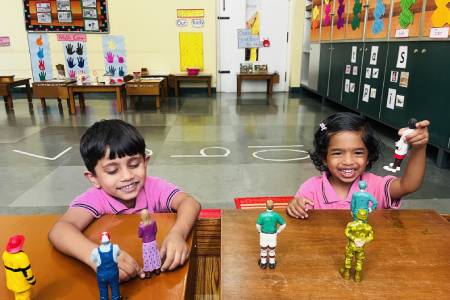
     
Students learning skills Coimbatore

How International Schools in Coimbatore Are Raising Future-Ready Students


As education continues to evolve, many parents today are looking beyond traditional academic models. They are seeking learning environments that prepare children not only for examinations but also for life beyond the classroom. This is where international schools in coimbatore are steadily reshaping expectations, offering an approach that balances academic depth with real-world readiness.


At this stage, education is no longer just about acquiring knowledge. It is about developing skills, attitudes, and perspectives that help children navigate a complex and changing world. The growth of international schools in coimbatore reflects this shift, as more families recognize the importance of a broader, more adaptable educational framework.


A Shift Towards Skill-Based Learning


One of the most noticeable ways international schools in coimbatore are preparing students is by moving from rote learning to skill-based education. Classrooms are designed to encourage inquiry, problem-solving, and application of concepts.


Students are not limited to memorizing content. Instead, they are guided to understand why something works and how it can be applied in different contexts. This approach builds analytical thinking and helps learners become more confident in tackling unfamiliar challenges.


Many of the best international schools in coimbatore focus on developing communication, collaboration, and critical thinking skills alongside academic knowledge. These competencies are essential for higher education and future careers.


Emphasis on Global Curriculum Frameworks


A defining feature of international schools in coimbatore is their adoption of globally recognized curricula such as Cambridge or IB. These frameworks provide a structured yet flexible approach to learning.


Students benefit from exposure to international standards while still being connected to their local context. The curriculum encourages exploration, research, and independent thinking.


In many of the best international schools in coimbatore, subjects are taught in an integrated manner. This helps students see connections between disciplines and understand how knowledge applies in real life.


Encouraging Independent and Reflective Learners


Future readiness requires more than academic ability. It requires self-awareness and the ability to learn independently. International schools in coimbatore place strong emphasis on these aspects.


Students are encouraged to take ownership of their learning. They set goals, reflect on their progress, and learn how to improve. Teachers guide this process rather than directing it entirely.


This approach, commonly seen in the best international schools in coimbatore, helps children develop confidence and responsibility. Over time, they become more self-driven and capable of managing their own academic journey.


Integration of Technology in Learning


Technology plays an important role in shaping future-ready students. International schools in coimbatore integrate digital tools into everyday learning in meaningful ways.


Rather than using technology as an add-on, it becomes part of how students research, collaborate, and present their ideas. This prepares them for a world where digital literacy is essential.


In many of the best international schools in coimbatore, students learn to use technology responsibly. They understand not just how to access information, but also how to evaluate it critically.


Focus on Communication and Collaboration


The ability to communicate clearly and work effectively with others is a key aspect of future readiness. International schools in coimbatore create opportunities for students to develop these skills from an early age.


Group discussions, presentations, and collaborative projects are common classroom practices. Students learn to listen, express their ideas, and respect different viewpoints.


The best international schools in coimbatore ensure that these experiences are structured and purposeful. This helps students build confidence in expressing themselves and working as part of a team.


Exposure to Real-World Contexts


Learning becomes more meaningful when students can connect it to real-life situations. International schools in coimbatore often incorporate real-world contexts into their teaching.


Through projects, case studies, and experiential learning, students explore how concepts apply outside the classroom. This helps them understand the relevance of what they are learning.


In the best international schools in coimbatore, students may engage with community initiatives or global issues. These experiences foster awareness, empathy, and a sense of responsibility.


Holistic Development Beyond Academics


Academic success is important, but it is only one part of a child’s development. International schools in coimbatore place equal importance on co-curricular and extracurricular activities.


Students are encouraged to participate in arts, sports, and cultural activities. These experiences contribute to physical well-being, creativity, and emotional growth.


The best international schools in coimbatore create a balanced environment where students can explore their interests while maintaining academic focus. This balance is essential for long-term success.


Preparing Students for Higher Education


One of the key goals of international schools in coimbatore is to prepare students for higher education, both in India and abroad. The curriculum and teaching methods are aligned with global academic expectations.


Students develop skills such as research, analysis, and structured writing. These are crucial for success in higher studies.


The best international schools in coimbatore also provide guidance on subject choices and future pathways. This helps students make informed decisions about their academic and career goals.


Building Adaptability and Resilience


In a rapidly changing world, adaptability is an essential quality. International schools in coimbatore help students develop resilience by encouraging them to face challenges and learn from their experiences.


Mistakes are seen as part of the learning process. Students are supported in understanding what went wrong and how they can improve.


This mindset, nurtured in the best international schools in coimbatore, helps children become more confident and better prepared to handle uncertainty in the future.


The Role of Teachers in Shaping Future-Ready Learners


Teachers play a crucial role in the success of international schools in coimbatore. Their approach goes beyond delivering lessons to guiding and mentoring students.


They create an environment where students feel safe to express their ideas and take intellectual risks. This supportive atmosphere encourages deeper learning.


In the best international schools in coimbatore, teachers continuously adapt their methods to meet the needs of diverse learners. This ensures that every child is supported in their journey.


Conclusion


The growing presence of international schools in coimbatore reflects a broader shift in how education is understood and delivered. These schools are not just preparing students for exams, but for life.


By focusing on skill development, global awareness, independent learning, and holistic growth, international schools in coimbatore are shaping students who are ready to face the future with confidence.


For parents, this approach offers reassurance that their child’s education is aligned with the demands of a changing world. The thoughtful practices seen in the best international schools in coimbatore highlight the importance of nurturing not just knowledgeable students, but capable and adaptable individuals.


FAQ:


1. How do international schools in Coimbatore prepare students for the future?

International schools in Coimbatore focus on developing critical thinking, problem-solving, and communication skills through modern teaching methods, global curricula, and real-world learning experiences. This helps students become adaptable and future-ready.


2. What makes the best international schools in Coimbatore different from others?

The best international schools in Coimbatore offer a balanced approach that combines strong academics with co-curricular activities, global exposure, and skill-based learning. They focus on overall development rather than just exam performance.


3. Do international schools in Coimbatore focus only on academics?

No, international schools in Coimbatore emphasize holistic development. Along with academics, they provide opportunities in sports, arts, leadership, and collaboration to help students grow in multiple areas.


4. How do international schools in Coimbatore build real-world skills?

Through project-based learning, group activities, and practical applications, international schools in Coimbatore help students apply concepts to real-life situations, improving decision-making and problem-solving abilities.


5. Are international schools in Coimbatore suitable for higher education abroad?

Yes, many international schools in Coimbatore follow globally recognized curricula, which prepare students for higher education in India and abroad by building strong academic foundations and essential life skills.

     
Kids learning in preschool

Why Pre-Primary Education is the Foundation of Lifelong Learning


The early years of a child’s life are filled with rapid growth, curiosity, and discovery. During this phase, the experiences children are exposed to play a significant role in shaping how they think, learn, and interact with the world. This is why pre primary education is often considered the most important stage in a child’s academic journey.


For many parents, choosing the right start can feel overwhelming. However, understanding the value of pre primary education helps bring clarity. A well-structured early learning environment not only introduces basic concepts but also builds habits and attitudes that support lifelong learning.


The Importance of Early Learning Experiences


Children are naturally curious. They observe, question, and explore their surroundings constantly. Pre primary education channels this natural curiosity into meaningful learning experiences.


In a thoughtfully designed pre primary school, children are introduced to structured routines while still having the freedom to explore. Activities are planned in a way that encourages participation, creativity, and interaction.


Many kindergarten schools in coimbatore have recognized the importance of this balance. They focus on creating environments where children feel safe, engaged, and motivated to learn. This early exposure helps children develop a positive attitude toward education.


Building Strong Cognitive Foundations


One of the key goals of pre primary education is to support cognitive development. At this stage, children begin to understand basic concepts related to numbers, language, patterns, and problem-solving.


A well-designed pre primary school introduces these ideas through play-based and activity-oriented methods. Instead of formal instruction, learning happens through stories, games, and hands-on experiences.


In many kindergarten schools in coimbatore, educators focus on helping children make connections between what they see and what they learn. This approach strengthens memory, attention, and understanding, forming a strong base for future academics.


Language and Communication Development


Language development is a crucial aspect of early education. Pre primary education provides children with opportunities to listen, speak, and express themselves in a structured setting.


Through storytelling, rhymes, and conversations, children in a pre primary school gradually build vocabulary and communication skills. They learn how to articulate their thoughts and understand others.


Several kindergarten schools in coimbatore place emphasis on interactive learning, where children are encouraged to participate in discussions and group activities. This not only improves language skills but also builds confidence.


Social and Emotional Growth


Learning is not limited to academics. Pre primary education plays a significant role in shaping a child’s social and emotional development.


In a pre primary school, children interact with peers, share resources, and participate in group activities. These experiences teach them cooperation, empathy, and respect for others.


Many kindergarten schools in coimbatore create nurturing environments where children feel supported and valued. Teachers guide them in understanding emotions, resolving conflicts, and building positive relationships.

These early social experiences are essential for developing emotional intelligence, which influences how children handle challenges later in life.


Developing Independence and Confidence


Another important outcome of pre primary education is the development of independence. Children begin to take small responsibilities, such as organizing their belongings or completing simple tasks.


A supportive pre primary school encourages children to try things on their own while providing guidance when needed. This helps build confidence and self-reliance.


In several kindergarten schools in coimbatore, children are given opportunities to make choices, participate in activities, and express their preferences. These experiences help them feel capable and valued.


Learning Through Play and Exploration


Play is at the heart of pre primary education. It is through play that children explore ideas, test their understanding, and develop creativity.


A good pre primary school integrates play into learning in meaningful ways. Activities such as building blocks, role-playing, and art projects help children develop problem-solving and imaginative skills.


Many kindergarten schools in coimbatore adopt play-based learning approaches that combine fun with purpose. This ensures that children remain engaged while also achieving developmental milestones.


Preparing for Formal Schooling


The transition to formal schooling can be challenging if children are not adequately prepared. Pre primary education helps ease this transition by introducing routines, structure, and basic academic skills.


In a pre primary school, children learn to follow instructions, manage time, and adapt to classroom expectations. These skills are essential for success in primary education.


Several kindergarten schools in coimbatore focus on preparing children not just academically, but also emotionally. This ensures that they are ready to handle new environments with confidence.


Encouraging Curiosity and Love for Learning


Perhaps the most lasting impact of pre primary education is the development of a love for learning. When children enjoy their early learning experiences, they are more likely to stay motivated in later years.


A nurturing pre primary school creates an environment where learning feels enjoyable and meaningful. Teachers play a key role in encouraging curiosity and celebrating effort.


In many kindergarten schools in coimbatore, the focus is on making learning engaging rather than stressful. This helps children associate education with positive experiences.


The Role of Teachers in Early Education


Teachers in pre primary education play a vital role in shaping a child’s first learning experiences. Their approach, patience, and understanding influence how children perceive learning.


In a well-structured pre primary school, teachers act as facilitators who guide children through exploration and discovery. They observe each child’s needs and adapt their methods accordingly.


Many kindergarten schools in coimbatore invest in trained educators who understand child development and use age-appropriate teaching strategies. This ensures that children receive the support they need during these formative years.


Creating a Balanced Learning Environment


A strong pre primary education program balances academics with physical activity, creativity, and social interaction. This holistic approach supports overall development.


A good pre primary school includes activities such as music, movement, art, and outdoor play. These experiences contribute to physical health, coordination, and creative expression.


Several kindergarten schools in coimbatore emphasize this balance, ensuring that children grow not just intellectually but also physically and emotionally.


Conclusion


The early years of education lay the groundwork for everything that follows. Pre primary education is not simply about preparing children for school, but about shaping how they learn, think, and interact with the world.


Through structured yet flexible experiences, a nurturing pre primary school helps children develop essential skills, confidence, and curiosity. The thoughtful practices seen in many kindergarten schools in coimbatore highlight the importance of creating a strong foundation during these formative years.


For parents, investing in quality pre primary education means giving children the tools they need for lifelong learning. It is a stage where the focus is not just on what children learn, but on how they learn, setting the tone for their entire educational journey.


FAQ:


1. Why is pre primary education important for children?

Pre primary education helps build a strong foundation for lifelong learning by developing cognitive, social, and emotional skills during the early years when children learn the fastest.


2. What do children learn in a pre primary school?

In a pre primary school, children learn basic concepts like numbers, language, and problem-solving through play-based activities, stories, and interactive learning methods.


3. How do kindergarten schools in Coimbatore support early development?

Kindergarten schools in Coimbatore focus on creating safe and engaging environments where children develop communication, social skills, and confidence through structured and play-based learning.


4. How does pre primary education prepare children for formal schooling?

Pre primary education introduces routines, classroom behavior, and basic academic skills, helping children transition smoothly into primary school with confidence and readiness.


5. What role do teachers play in pre primary education?

Teachers in a pre primary school guide children through exploration and learning, support emotional development, and use age-appropriate methods to nurture curiosity and independence.

     
Parents reviewing an international school admission checklist

School Admission Checklist: What Parents Should Know Before Choosing an International School in Coimbatore


Choosing a school is one of the most important decisions parents make for their child. With a growing number of international schools in coimbatore, the process can feel both promising and overwhelming. Each school may offer different curricula, teaching approaches, and learning environments, making it essential for parents to approach admissions with clarity and careful consideration.


An informed approach, supported by a clear international school admission checklist, can help parents move beyond surface-level impressions and focus on what truly matters for their child’s long-term development.


Understanding the School’s Curriculum


One of the first aspects to consider when exploring international schools in coimbatore is the curriculum offered. Many schools follow globally recognized frameworks such as Cambridge or IB, each with its own structure and philosophy.


If you are considering a cambridge school in coimbatore, it is helpful to understand how the curriculum progresses across different stages. Look into how subjects are introduced, how skills are developed, and how students are assessed.


A good international school admission checklist should include questions about curriculum continuity, flexibility, and how well it aligns with your child’s learning style and future academic plans.


Evaluating Teaching Methodologies


The way a curriculum is delivered is just as important as the curriculum itself. Among the many international schools in coimbatore, teaching methodologies can vary significantly.


Observe whether classrooms encourage interaction, discussion, and inquiry. Are students actively engaged, or are they primarily listening? In a well-structured environment, teachers guide students through exploration rather than simply presenting information.


When visiting a cambridge school in coimbatore, take time to understand how lessons are conducted. A thoughtful international school admission checklist should include classroom observation as a key step.


Assessing Academic Balance and Rigor


Parents often look for strong academic outcomes, but it is equally important to ensure that learning is balanced and not overly pressured. The best international schools in coimbatore maintain a steady pace that challenges students without overwhelming them.


Ask how the school supports students who need additional help and how it extends learning for those who are ready for more advanced work. This balance is an important part of any international school admission checklist.


In a cambridge school in coimbatore, for instance, assessments are often designed to track progress over time rather than rely solely on final exams. Understanding this approach can provide reassurance about your child’s academic journey.


Looking at Student Development Beyond Academics


Education is not limited to textbooks. When reviewing international schools in coimbatore, it is important to consider how the school supports overall development.


Co-curricular activities such as arts, sports, and clubs play a significant role in shaping confidence, creativity, and teamwork. A comprehensive international school admission checklist should include questions about the range and quality of these opportunities.


In many cambridge school in coimbatore settings, students are encouraged to explore their interests alongside their academic responsibilities. This balance contributes to a more meaningful learning experience.


Infrastructure and Learning Environment


The physical environment of a school can influence how children learn and feel throughout the day. While exploring international schools in coimbatore, pay attention to classrooms, libraries, laboratories, and outdoor spaces.


A well-designed campus supports different types of learning, from quiet study to collaborative work. Safety, cleanliness, and accessibility are also important considerations.


Your international school admission checklist should include a campus visit where you can observe how spaces are used and how comfortable students appear in their environment.


Teacher Qualifications and Approachability


Teachers play a central role in shaping a child’s school experience. Among the various international schools in coimbatore, the quality and consistency of teaching staff can make a significant difference.


Ask about teacher qualifications, training, and experience with international curricula. Equally important is their approachability and ability to connect with students.


In a cambridge school in coimbatore, teachers are often trained to facilitate inquiry-based learning. Including interactions with teachers in your international school admission checklist can provide valuable insights into the school’s culture.


Communication and Parent Involvement


A strong partnership between school and home supports a child’s progress. The best international schools in coimbatore maintain clear and consistent communication with parents.


Find out how the school shares updates on academic progress, behavioral development, and school activities. Regular meetings, reports, and open channels of communication are important indicators of transparency.


Your international school admission checklist should include understanding how the school involves parents in the learning journey without creating unnecessary pressure.


Understanding Assessment and Feedback Systems


Assessment practices vary across international schools in coimbatore, especially those following global curricula. It is important to understand how student progress is measured and communicated.


In a cambridge school in coimbatore, assessments often include a mix of formative and summative methods. Feedback is usually detailed and aimed at guiding improvement.


Including this aspect in your international school admission checklist helps ensure that you are aware of how your child’s growth will be monitored and supported over time.


Considering Class Size and Individual Attention


Class size can influence the level of attention each student receives. While reviewing international schools in coimbatore, consider how many students are in each class and how teachers manage diverse learning needs.


Smaller class sizes often allow for more personalized attention, but the overall teaching approach is equally important. A good international school admission checklist should include questions about student-teacher ratios and support systems.


In a cambridge school in coimbatore, differentiated instruction is often used to address varying abilities within the classroom.


School Culture and Values


Every school has its own culture, shaped by its values, leadership, and community. Among the many international schools in coimbatore, finding a school whose values align with your family’s expectations is essential.


Observe how students interact with each other and with teachers. Is the environment respectful, inclusive, and supportive?


A meaningful international school admission checklist goes beyond academics to include the overall atmosphere of the school. In a cambridge school in coimbatore, values such as responsibility, curiosity, and respect are often integrated into daily learning.


Admission Process and Transparency


Finally, understanding the admission process itself is an important step. Many international schools in coimbatore have structured procedures that include applications, assessments, and interactions.


Clarity and transparency in this process reflect the school’s overall approach. Ensure that timelines, requirements, and expectations are clearly communicated.


Your international school admission checklist should include all necessary documentation, deadlines, and criteria to avoid last-minute confusion.

Conclusion


Selecting from the many international schools in coimbatore requires thoughtful consideration and careful planning. By focusing on curriculum, teaching methods, student development, and school culture, parents can make informed decisions that support their child’s growth.


A well-prepared international school admission checklist serves as a practical guide throughout this process, helping parents stay organized and confident.


Whether you are exploring a cambridge school in coimbatore or another international curriculum, the goal remains the same. It is about finding a learning environment where your child feels supported, challenged, and inspired to grow into a capable and confident individual.


FAQ:


1. What should parents include in an international school admission checklist?

An international school admission checklist should include key factors such as curriculum, teaching methods, assessment style, infrastructure, teacher qualifications, and co-curricular opportunities. It helps parents evaluate international schools in Coimbatore more effectively and make informed decisions.


2. How do I choose the right curriculum when selecting an international school?

When exploring international schools in Coimbatore, parents should understand how the curriculum is structured, how it progresses across grades, and whether it aligns with their child’s learning style and future goals. Visiting a Cambridge school in Coimbatore can help you better understand curriculum delivery and expectations.


3. Why is teaching methodology important in school selection?

Teaching methodology determines how students engage with learning. In many international schools in Coimbatore, inquiry-based and interactive teaching helps students think critically and participate actively. Observing classrooms is an important step in any international school admission checklist.


4. How important are co-curricular activities in an international school?

Co-curricular activities play a major role in a child’s overall development. The best international schools in Coimbatore offer a balance of academics, sports, arts, and clubs, helping students build confidence, creativity, and teamwork skills beyond the classroom.


5. What factors indicate a good learning environment in an international school?

A strong learning environment includes safe infrastructure, supportive teachers, balanced class sizes, and a positive school culture. When reviewing international schools in Coimbatore, parents should look for spaces that encourage both independent and collaborative learning.

     
Students learning through an integrated IGCSE programme in a modern classroom environment

What is the Integrated IGCSE Programme and Who is It For?


As students approach the middle and senior years of schooling, the need for a well-structured academic pathway becomes increasingly important. Parents often look for programmes that not only prepare children for examinations but also help them develop the skills required for higher education and beyond. The integrated IGCSE programme is one such pathway that has gained attention for its balanced and progressive approach.


Understanding how the integrated IGCSE programme works, and who it is best suited for, can help parents make informed decisions during these crucial academic years.


Understanding the Integrated IGCSE Programme


The integrated IGCSE programme is designed as a structured pathway that prepares students for the International General Certificate of Secondary Education (IGCSE). Instead of introducing the IGCSE curriculum abruptly, this approach gradually builds the required knowledge and skills over a few years.


An IGCSE integrated course typically begins in the middle school years and aligns earlier learning with the expectations of the IGCSE stage. This ensures that students are not overwhelmed when they formally begin their IGCSE subjects.


The integrated IGCSE programme focuses on continuity. Each stage of learning is connected, allowing students to develop a deeper understanding of subjects over time.


A Gradual Transition to Advanced Learning


One of the key strengths of the integrated IGCSE programme is how it eases students into more advanced academic demands. Instead of a sudden shift, students experience a gradual increase in complexity.


In a well-designed IGCSE integrated course, foundational concepts are reinforced before introducing higher-level applications. This approach supports better comprehension and reduces academic stress.


Many schools offering the integrated IGCSE programme Coimbatore follow this progression carefully, ensuring that students are both challenged and supported throughout their learning journey.


Alignment with the Cambridge Framework


The integrated IGCSE programme is closely aligned with the broader Cambridge pathway. This connection ensures that students are prepared according to internationally recognized standards.


Within the Cambridge integrated curriculum India, learning is designed to develop not just subject knowledge but also critical thinking, analysis, and communication skills.


The integrated IGCSE programme benefits from this alignment by providing a clear academic direction. Students understand what is expected of them at each stage, which helps build confidence and consistency.


Focus on Conceptual Understanding


A defining feature of the integrated IGCSE programme is its emphasis on conceptual clarity. Students are encouraged to understand the “why” behind what they learn, rather than simply memorizing information.


In an IGCSE integrated course, subjects such as Mathematics and Science are taught with a focus on application and reasoning. English emphasizes comprehension, interpretation, and expression.


This approach, commonly seen in the integrated IGCSE programme Coimbatore, helps students develop strong academic habits that are essential for success in higher education.


Who is the Integrated IGCSE Programme For?

The integrated IGCSE programme is particularly suited for students who benefit from a structured yet flexible learning environment.

It is ideal for learners who:

  • Prefer a gradual transition into advanced academic content
  • Thrive in environments that emphasize understanding over memorization
  • Are open to inquiry-based and discussion-driven learning
  • Plan to pursue higher education in international or diverse academic settings

The IGCSE integrated course also supports students who may need time to adapt to a new curriculum. By introducing concepts progressively, the integrated IGCSE programme allows learners to build confidence at their own pace.


Supporting Different Learning Styles


Every child learns differently, and the integrated IGCSE programme recognizes this diversity. Teaching methods are often adapted to suit varied learning styles.


In many schools offering the integrated IGCSE programme Coimbatore, classrooms include a mix of discussions, projects, and individual tasks. This ensures that students remain engaged and can approach learning in ways that suit them best.


The Cambridge integrated curriculum India further supports this by encouraging flexibility in teaching and assessment methods.


Assessment That Encourages Growth


Assessment within the integrated IGCSE programme is designed to guide learning rather than create pressure. Regular feedback helps students understand their progress and identify areas for improvement.


An IGCSE integrated course often includes formative assessments, assignments, and periodic evaluations. These methods provide a comprehensive view of a student’s development.


In the integrated IGCSE programme Coimbatore, this approach allows teachers to offer personalized support, ensuring that each student progresses steadily.


Building Skills for the Future


The integrated IGCSE programme goes beyond academic preparation. It focuses on developing skills that are essential for future success.


Students learn how to:

  • Analyze information critically
  • Communicate ideas effectively
  • Work collaboratively with peers
  • Manage time and responsibilities
 

These skills, emphasized throughout the IGCSE integrated course, are aligned with the expectations of higher education and modern workplaces.

The Cambridge integrated curriculum India ensures that students are not only academically prepared but also equipped with the skills needed to adapt to changing environments.


The Role of Teachers in the Programme


Teachers play a crucial role in the success of the integrated IGCSE programme. Their ability to guide, support, and adapt to student needs shapes the overall learning experience.


In classrooms following the IGCSE integrated course, teachers act as facilitators. They encourage questions, support exploration, and provide constructive feedback.


Many schools offering the integrated IGCSE programme Coimbatore invest in teacher training to ensure that educators are well-equipped to deliver the curriculum effectively.


Creating a Balanced Learning Experience


A strong integrated IGCSE programme balances academic rigor with opportunities for personal growth. Co-curricular activities, creative pursuits, and physical education are integrated into the overall learning experience.


This holistic approach ensures that students develop not only intellectually but also emotionally and socially. The IGCSE integrated course supports well-rounded development, which is essential during these formative years.


The Cambridge integrated curriculum India reinforces this balance by encouraging schools to provide diverse learning opportunities.


Conclusion


The transition to higher academic levels can be challenging, but the integrated IGCSE programme offers a thoughtful and structured pathway that supports students every step of the way.


By combining strong academic foundations with skill development and gradual progression, the integrated IGCSE programme prepares learners for both examinations and future challenges.


For parents considering options such as the integrated IGCSE programme Coimbatore, understanding this approach can provide reassurance. It is not just about preparing students for IGCSE, but about helping them become confident, capable, and independent learners within the broader framework of the Cambridge integrated curriculum India.


FAQ:


1. What is the integrated IGCSE programme and how does it work?

The integrated IGCSE programme is a structured academic pathway that gradually prepares students for the IGCSE curriculum. Instead of introducing advanced concepts suddenly, it builds foundational knowledge over time, ensuring a smooth and confident transition into higher-level learning.


2. Who is the integrated IGCSE programme best suited for?

The integrated IGCSE programme is ideal for students who prefer a gradual learning approach, benefit from conceptual understanding over memorization, and thrive in inquiry-based environments. It is especially suitable for those planning to pursue higher education in international or diverse academic systems.


3. How does the integrated IGCSE programme reduce academic pressure?

By introducing concepts progressively, the integrated IGCSE programme prevents students from feeling overwhelmed. It reinforces foundational knowledge before moving to advanced topics, allowing learners to build confidence and adapt comfortably to increasing academic demands.


4. What skills do students develop through the integrated IGCSE programme?

Students develop essential skills such as critical thinking, problem-solving, communication, collaboration, and time management. These skills are integrated into everyday learning, preparing students not only for exams but also for future academic and career challenges.


5. How are students assessed in the integrated IGCSE programme?

Assessment in the integrated IGCSE programme focuses on continuous improvement. It includes assignments, formative assessments, and regular feedback, helping students understand their progress and identify areas for growth without unnecessary stress.

     
Cambridge curriculum classroom developing critical thinking skills in school children

How the Cambridge Curriculum Builds Critical Thinking in School Children


In today’s rapidly changing world, the ability to think clearly, question intelligently, and make informed decisions has become just as important as academic knowledge. This is where the cambridge curriculum stands out, offering an approach that goes beyond textbooks and examinations.


For many parents exploring educational options, understanding how the cambridge curriculum nurtures thinking skills provides valuable clarity. The focus is not simply on what children learn, but on how they learn, interpret, and apply knowledge in meaningful ways. This emphasis on thinking is one of the most significant Cambridge curriculum critical thinking advantages observed across classrooms.


Moving Beyond Rote Learning


One of the most important shifts introduced by the cambridge curriculum is the move away from memorization-based learning. Instead of focusing only on recalling information, students are encouraged to understand concepts deeply.


In classrooms following the cambridge curriculum, teachers design lessons that require students to explain ideas, justify answers, and explore different possibilities. This approach forms the foundation of Cambridge curriculum critical thinking, where students learn to engage actively with the subject matter.


Within the broader context of Cambridge education benefits India, this shift is particularly meaningful, as it helps students adapt to global academic expectations while remaining grounded in their learning.


Encouraging Inquiry and Questioning


Children are naturally curious, and the cambridge curriculum builds on this curiosity by encouraging inquiry. Students are guided to ask questions, investigate topics, and seek answers through exploration.


Rather than presenting information as fixed, the cambridge curriculum creates opportunities for students to examine ideas from multiple perspectives. This process strengthens Cambridge curriculum critical thinking by helping learners develop reasoning skills.


In many classrooms aligned with Cambridge education benefits India, this inquiry-based approach allows students to become more confident in expressing their thoughts and asking meaningful questions.


Developing Analytical Skills Across Subjects


Critical thinking is not limited to a single subject. The cambridge curriculum integrates analytical thinking across disciplines, ensuring that students develop these skills consistently.


In Mathematics, students are encouraged to understand patterns and solve problems logically. In Science, they explore cause and effect through observation and experimentation. In English, they analyze texts and interpret meaning.


This cross-disciplinary approach strengthens Cambridge curriculum critical thinking, making it a natural part of everyday learning. Among the key Cambridge education benefits India, this integration helps students connect ideas and apply knowledge in different contexts.


Promoting Discussion and Collaboration


Classroom discussions play a vital role in the cambridge curriculum. Students are encouraged to share their ideas, listen to others, and engage in constructive dialogue.


Through group activities and collaborative tasks, learners develop the ability to evaluate different viewpoints. This interaction enhances Cambridge curriculum critical thinking, as students learn to support their opinions with reasoning.


In the context of Cambridge education benefits India, such collaborative environments also help students build communication skills, which are essential for both academic and personal growth.


Real-World Application of Knowledge


One of the defining strengths of the cambridge curriculum is its focus on real-world relevance. Students are encouraged to apply what they learn to practical situations.


Projects, case studies, and experiential learning activities are common in classrooms that follow the cambridge curriculum. These experiences require students to analyze information, make decisions, and reflect on outcomes.


This practical approach reinforces Cambridge curriculum critical thinking, as students begin to see the connection between academic concepts and real-life scenarios. It is also a key aspect of Cambridge education benefits India, preparing students for future challenges.


Assessment That Supports Thinking


Assessment methods within the cambridge curriculum are designed to evaluate understanding rather than memorization. Students are often asked to explain their reasoning, interpret data, and solve unfamiliar problems.


This type of assessment encourages deeper engagement with the subject. It also supports the development of Cambridge curriculum critical thinking, as students learn to approach questions thoughtfully.


As part of the broader Cambridge education benefits India, these assessment practices help reduce exam-related stress and promote continuous learning.


Building Independent Learners


The cambridge curriculum places strong emphasis on developing independence in learning. Students are encouraged to take responsibility for their progress, set goals, and reflect on their work.


This independence is closely linked to Cambridge curriculum critical thinking, as students learn to evaluate their own understanding and identify areas for improvement.


In many schools that highlight Cambridge education benefits India, this focus on independence helps students become more self-driven and confident in their abilities.


Supporting Creativity Alongside Logic


Critical thinking is not only about analysis but also about creativity. The cambridge curriculum recognizes this by encouraging students to explore ideas in innovative ways.


Creative activities, open-ended questions, and project-based tasks allow students to think beyond conventional answers. This balance between logic and creativity strengthens Cambridge curriculum critical thinking.


Within the scope of Cambridge education benefits India, this approach ensures that students develop both structured thinking and imaginative problem-solving skills.


The Role of Teachers in Developing Thinking Skills


Teachers play a central role in how the cambridge curriculum is experienced by students. Their ability to create an open and supportive classroom environment is essential.


In a classroom guided by the cambridge curriculum, teachers act as facilitators rather than just instructors. They encourage exploration, guide discussions, and provide constructive feedback.


This teaching approach enhances Cambridge curriculum critical thinking, as students feel comfortable expressing ideas and taking intellectual risks. It also reflects the broader philosophy of Cambridge education benefits India, where learning is seen as a collaborative process.


Preparing Students for Future Challenges


The ultimate goal of the cambridge curriculum is to prepare students for the future. In a world where information is constantly evolving, the ability to think critically is essential.


By developing skills such as analysis, evaluation, and problem-solving, the cambridge curriculum equips students to handle complex situations. These skills are at the heart of Cambridge curriculum critical thinking.


As part of the wider Cambridge education benefits India, students are better prepared for higher education, competitive environments, and real-world responsibilities.


Conclusion


Education today is not just about acquiring knowledge but about learning how to think. The cambridge curriculum offers a thoughtful approach that prioritizes understanding, inquiry, and application.


Through its emphasis on questioning, analysis, collaboration, and real-world learning, the cambridge curriculum plays a significant role in developing critical thinking skills in children.


For parents exploring meaningful educational pathways, the advantages of Cambridge curriculum critical thinking are clear. Combined with the broader Cambridge education benefits India, this approach supports the growth of confident, capable, and independent learners who are prepared to navigate the complexities of the future.


FAQ:


1. How does the Cambridge curriculum help develop critical thinking in children?

The Cambridge curriculum focuses on understanding rather than memorization. Students are encouraged to question, analyze, and apply concepts in real-world situations. This approach strengthens Cambridge curriculum critical thinking by helping children think independently and make informed decisions.


2. What makes the Cambridge curriculum different from traditional learning methods?

Unlike traditional systems that emphasize rote learning, the Cambridge curriculum promotes inquiry-based learning. Students explore ideas, ask questions, and engage in discussions, which enhances their ability to think logically and creatively. This is one of the key Cambridge education benefits India.


3. How are analytical skills developed across subjects in the Cambridge curriculum?

The Cambridge curriculum integrates critical thinking across all subjects. In Mathematics, students solve problems logically; in Science, they explore concepts through experiments; and in English, they analyze and interpret texts. This cross-disciplinary approach strengthens Cambridge curriculum critical thinking consistently.


4. Does the Cambridge curriculum prepare students for real-world challenges?

Yes, the Cambridge curriculum emphasizes real-world application through projects, case studies, and experiential learning. Students learn to analyze situations, make decisions, and reflect on outcomes, which prepares them for future academic and professional challenges.


5. How do assessments in the Cambridge curriculum support deeper learning?

Assessments in the Cambridge curriculum focus on understanding and reasoning rather than memorization. Students are asked to explain their answers, interpret data, and solve new problems. This encourages deeper learning and strengthens Cambridge curriculum critical thinking skills.