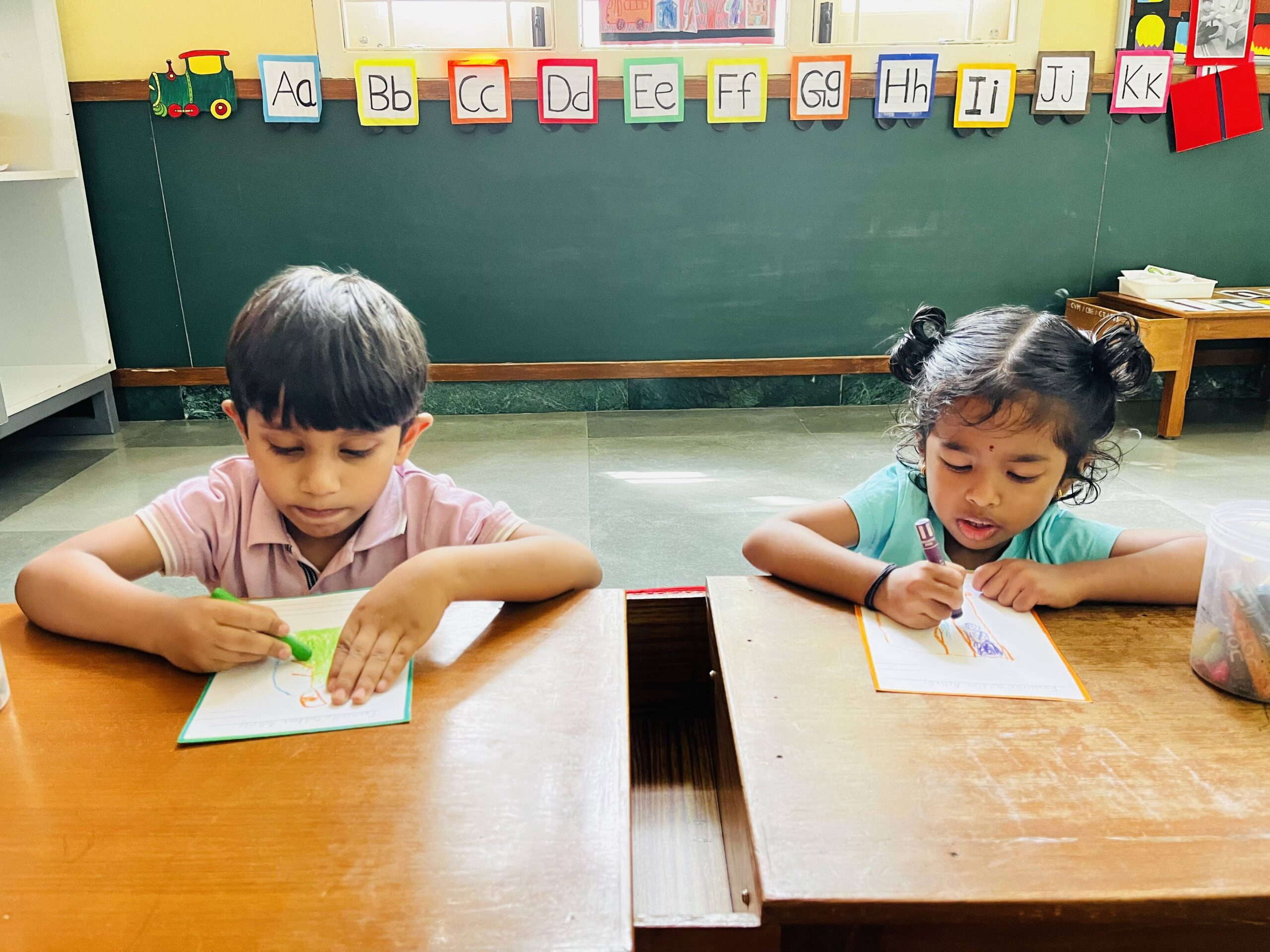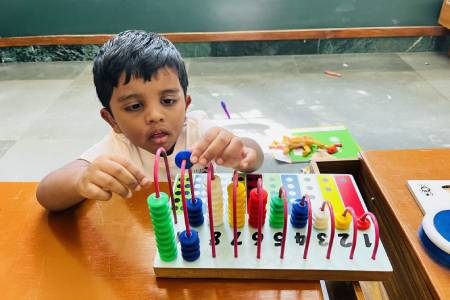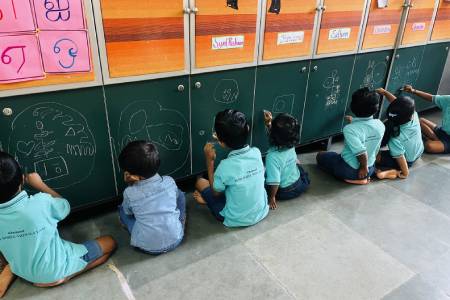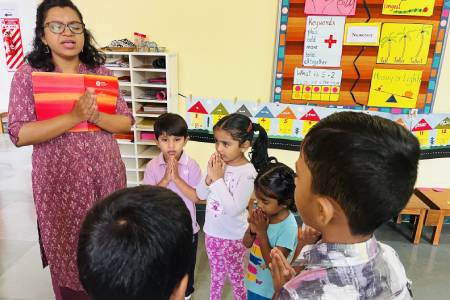




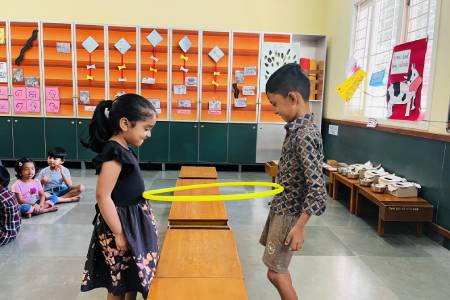
International school education supporting global learning and student development

Top 6 Benefits of Choosing the International School Education


As education continues to evolve, many parents are rethinking what truly prepares children for the future. Beyond academic results, parents today look for learning environments that nurture confidence, adaptability, and global awareness. This is where international school education is gaining strong attention.

The value of international school education lies not just in global curricula, but in how children learn, think, and grow as individuals. Let us explore six key benefits that help parents understand why international schooling is becoming a preferred choice.


Benefits of International School Education


1. Encourages a Global Perspective


One of the most significant advantages of international school education is its global outlook. Children are exposed to diverse cultures, ideas, and perspectives from an early age. This helps them grow into open-minded individuals who respect differences and feel comfortable in multicultural environments.

Through international school education, students learn to see the world as interconnected, which is an essential skill in today’s global society.


2. Focuses on Conceptual and Experiential Learning


Unlike traditional rote-based approaches, international school education places strong emphasis on understanding concepts deeply. Learning is inquiry-driven and experiential, encouraging students to ask questions, explore ideas, and apply knowledge in real-life contexts.

This approach ensures that international school education supports meaningful learning rather than short-term memorisation.


3. Develops Strong Communication Skills


Language and communication are core strengths of international school education. Students are encouraged to express ideas clearly, participate in discussions, and present their thoughts with confidence.

Over time, international school education helps children develop strong spoken and written communication skills, which are valuable both academically and socially.


4. Supports Individual Learning Styles


Every child learns differently. One of the defining features of international school education is its ability to accommodate diverse learning styles. Visual, auditory, and hands-on learners are all supported through varied teaching methods.

By respecting individual strengths, international school education helps children feel understood, confident, and motivated to learn.


5. Encourages Critical Thinking and Problem Solving


The ability to think independently is a key outcome of international school education. Students are encouraged to analyse situations, evaluate information, and solve problems thoughtfully.

This focus on critical thinking ensures that international school education prepares students not just for exams, but for real-life challenges where adaptability and reasoning matter most.


6. Prepares Children for Future Opportunities


In a world that is constantly changing, flexibility and global readiness are essential. International school education prepares students for higher education opportunities both in India and abroad.

Beyond academic pathways, international school education equips children with confidence, cultural awareness, and life skills that support long-term success.


Why Many Parents Are Choosing International Education


Parents choosing international school education often value balance. They seek an environment where academic learning is supported by creativity, emotional well-being, and global exposure.

International school education does not rush children into competition. Instead, it focuses on nurturing curiosity, independence, and a love for learning that lasts beyond school years.


A Thought for Parents


Every child deserves an education that helps them grow academically, emotionally, and socially. Understanding the benefits of international school education allows parents to choose learning environments that align with their child’s personality and future aspirations.

When learning is thoughtful, connected, and globally aware, international school education becomes more than a curriculum. It becomes a foundation for confident, capable, and compassionate individuals.


FAQ


1. What is international school education?

International school education is a learning approach that focuses on global perspectives, conceptual understanding, and experiential learning. It helps children develop academic skills alongside confidence, adaptability, communication, and cultural awareness in a globally connected learning environment.


2. Why do parents choose international school education for their children?

Parents choose international school education because it goes beyond exam results. It supports holistic development by nurturing critical thinking, emotional well-being, creativity, and global readiness, helping children grow into confident and open-minded individuals.


3. How does international school education differ from traditional schooling?

International school education differs from traditional schooling by emphasising inquiry-based and experiential learning rather than rote memorisation. Students are encouraged to ask questions, explore ideas, and apply knowledge to real-life situations, making learning more meaningful.


4. Does international school education support different learning styles?

Yes, international school education supports different learning styles by using varied teaching methods for visual, auditory, and hands-on learners. This flexibility helps children feel understood, motivated, and confident in their learning journey.


5. How does international school education prepare children for the future?

International school education prepares children for the future by developing critical thinking, communication skills, cultural awareness, and adaptability. It supports higher education opportunities in India and abroad while equipping children with life skills needed for long-term success.
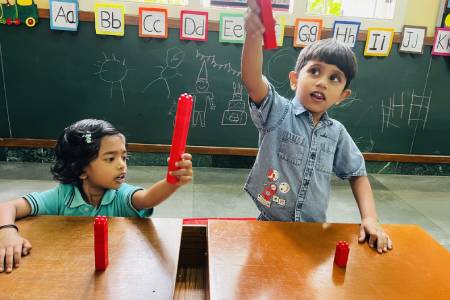
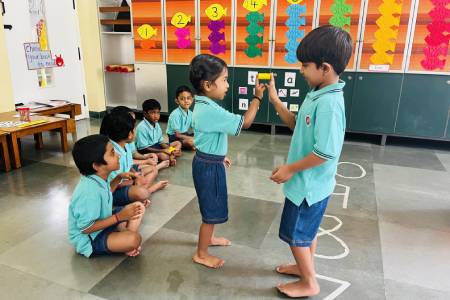
 
International school education focused on global learning and holistic development

What Is Primary Education? Stages, Objectives, and Importance


As children move beyond their early years, parents begin to focus on building a strong academic and emotional foundation. This often leads to an important question: what is primary education and why does it matter so much in a child’s learning journey?

Understanding what primary education is helps parents see it as more than the next step after preschool. It is the stage where children develop essential skills, attitudes, and habits that influence how they learn for the rest of their lives.


What Is Primary Education


To clearly understand what primary education is, it is important to know that this stage typically covers children between the ages of 6 and 11 years. It forms the first phase of formal schooling where structured learning begins in a supportive and guided environment.


At this stage, primary education focuses on developing basic literacy, numeracy, communication skills, and general awareness. Learning is designed to be engaging, interactive, and meaningful, helping children build confidence in their abilities.

The goal of primary education is not only academic growth but also emotional, social, and moral development.


Stages of Primary Education


Understanding the stages helps parents better grasp what primary education is in practice. Primary education is usually divided into early primary and upper primary years.


In the early primary stage, children focus on language development, basic mathematics, environmental awareness, and creative expression. As they progress, the upper primary stage introduces deeper concepts, logical thinking, and independent learning.


These stages reflect what is primary education as a gradual and thoughtful learning process rather than a sudden academic leap.


Objectives of Primary Education


The objectives of primary education go beyond completing a syllabus. One key objective is to build strong foundational skills that support future learning.


Another objective of primary education is to nurture curiosity and a positive attitude toward learning. Children are encouraged to ask questions, explore ideas, and develop a sense of responsibility.


Social development is also central to primary education. Group activities, discussions, and collaborative tasks help children learn teamwork, empathy, and respect for others.


Importance of Primary Education in a Child’s Life


The importance of primary education lies in shaping how children think, learn, and interact with the world. These years influence academic confidence and emotional stability.


One aspect of the importance of primary education is the development of communication skills. Children learn to express thoughts clearly, listen actively, and engage meaningfully with others.


The importance of primary education is also seen in how children develop discipline, focus, and responsibility. Regular routines and learning expectations help children build habits that support long-term success.


Importance of Primary Education for Emotional and Social Growth


Beyond academics, the importance of primary education includes emotional and social development. Children learn to manage emotions, resolve conflicts, and build friendships in a supportive setting.


Teachers play a vital role in reinforcing the importance of primary education by guiding children through challenges and celebrating progress, helping them develop resilience and self-belief.


Importance of Primary Education for Lifelong Learning


The importance of primary education becomes even more evident as children grow older. A strong primary foundation supports adaptability, critical thinking, and a love for learning.


When parents understand the importance of primary education, they recognise that success in later years depends heavily on how well children are supported during this stage.


A Balanced Approach to Learning


Knowing what primary education is allows parents to look beyond marks and rankings. It encourages them to seek learning environments that value creativity, curiosity, and emotional well-being alongside academics.


The importance of primary education lies in offering children a balanced learning experience that prepares them not just for higher grades, but for life itself.


A Thought for Parents


Every child deserves a strong and nurturing start to formal learning. By understanding what primary education is and recognising the importance of primary education, parents can make informed choices that support their child’s overall growth.


When primary education is thoughtful and child-focused, it becomes a powerful foundation for confident, capable, and curious learners ready to explore the world ahead.


FAQ


1. What is primary education?

Primary education is the first stage of formal schooling for children typically between 6 and 11 years. It focuses on building foundational skills such as literacy, numeracy, communication, and general awareness while supporting emotional, social, and moral development in a structured and guided learning environment.


2. Why is primary education important for a child’s development?

The importance of primary education lies in shaping how children think, learn, and interact with the world. These years build academic confidence, emotional stability, discipline, and responsibility, forming habits and attitudes that influence lifelong learning.


3. What are the main stages of primary education?

Primary education is usually divided into early primary and upper primary stages. Early primary focuses on language development, basic mathematics, environmental awareness, and creativity, while upper primary introduces deeper concepts, logical thinking, and independent learning.


4. What are the key objectives of primary education?

The objectives of primary education include developing strong foundational academic skills, nurturing curiosity and a positive attitude toward learning, and supporting social development. Children learn teamwork, empathy, communication, and responsibility through group activities and guided interactions.


5. How does primary education support emotional and social growth?

Primary education supports emotional and social growth by helping children manage emotions, build friendships, resolve conflicts, and develop resilience. Teachers play an important role by guiding children through challenges, reinforcing self-belief, and creating a supportive learning environment.

 
Comparison of Cambridge Curriculum vs ICSE for school education

Cambridge vs ICSE: Know Which Board Is Best for Your Children


Choosing the right school board is one of the most important decisions parents make in their child’s educational journey. Among the many options available today, the comparison of Cambridge vs ICSE often raises questions for parents who want clarity, balance, and long-term value in education.

Understanding the difference between Cambridge vs ICSE is not about deciding which board is superior. It is about identifying which board aligns better with your child’s learning style, future goals, and overall development.


Understanding the ICSE Board


The ICSE curriculum is known for its structured academic approach and strong foundation in core subjects. In the Cambridge vs ICSE discussion, ICSE is often appreciated for its detailed syllabus and emphasis on language proficiency, especially English.


Students studying under ICSE are exposed to a wide range of subjects, which helps build strong analytical and writing skills. For parents considering Cambridge vs ICSE, ICSE offers familiarity, continuity, and depth in learning, especially for children who thrive in structured environments.


ICSE focuses on theoretical understanding along with practical exposure. This balance supports academic discipline and prepares students well for national-level education pathways.


Understanding the Cambridge Board


Cambridge is an internationally recognised curriculum designed to promote global perspectives and flexible learning. In the Cambridge vs ICSE comparison, Cambridge stands out for its learner-centric approach and emphasis on conceptual understanding.


Cambridge encourages inquiry, exploration, and independent thinking. Students are assessed through a combination of coursework and examinations, which reduces exam pressure and supports continuous learning. Parents evaluating Cambridge vs ICSE often find Cambridge suitable for children who enjoy experiential learning and global exposure.


Another key aspect in the Cambridge vs ICSE discussion is subject flexibility. Cambridge allows students to choose subjects based on interest and aptitude, supporting personalised learning journeys.


Learning Approach: Cambridge vs ICSE


When comparing Cambridge vs ICSE, the learning approach is a major differentiator. ICSE follows a more traditional structure with defined academic expectations, while Cambridge adopts a flexible and application-based method.


Cambridge classrooms often encourage discussion, collaboration, and real-world connections. ICSE classrooms focus on academic rigour, consistency, and strong theoretical grounding. Understanding this difference helps parents evaluate Cambridge vs ICSE based on how their child learns best.


Skill Development and Global Exposure


In the Cambridge vs ICSE comparison, Cambridge places strong emphasis on skill development such as critical thinking, communication, and adaptability. It prepares students for global education systems and international universities.


ICSE, on the other hand, builds strong foundational skills that support higher education within India. Parents comparing Cambridge vs ICSE should consider whether global exposure or national academic alignment is a priority for their child.


Assessment and Academic Pressure


Assessment styles differ significantly in the Cambridge vs ICSE comparison. ICSE assessments are exam-focused, which helps students develop exam readiness and discipline.


Cambridge uses varied assessment methods, including projects and coursework. This approach reduces stress and allows students to demonstrate understanding in multiple ways. Parents considering Cambridge vs ICSE often weigh academic pressure against holistic evaluation.


Which Board Is Right for Your Child


There is no single answer in the Cambridge vs ICSE debate. The right choice depends on your child’s personality, interests, and future aspirations.


If your child enjoys structured learning and detailed academic study, ICSE may be suitable. If your child thrives in interactive environments and benefits from flexible learning, Cambridge may be the better fit. Understanding Cambridge vs ICSE helps parents choose thoughtfully rather than following trends.


A Thought for Parents


Choosing between Cambridge vs ICSE is about understanding your child, not comparing boards. Every child learns differently, and the best board is one that supports confidence, curiosity, and consistent growth. When parents make informed decisions in the Cambridge vs ICSE discussion, they give their children an education that aligns with who they are and who they can become.


FAQ


1. What is the main difference between Cambridge and ICSE?

The main difference between Cambridge vs ICSE lies in their learning approach and flexibility. ICSE follows a structured and detailed academic syllabus with strong emphasis on theoretical understanding and language proficiency. Cambridge focuses on conceptual understanding, inquiry-based learning, and flexible subject choices with a global perspective.


2. Which board is better for conceptual and experiential learning, Cambridge or ICSE?

In the Cambridge vs ICSE comparison, Cambridge is better suited for conceptual and experiential learning. It encourages students to explore ideas, apply knowledge to real-life situations, and think independently through interactive classrooms and varied assessments.


3. How do assessment methods differ in Cambridge vs ICSE?

Assessment is a key difference in Cambridge vs ICSE. ICSE relies mainly on written examinations, which build exam discipline and academic consistency. Cambridge uses a combination of exams, coursework, and projects, reducing exam pressure and allowing students to demonstrate understanding in multiple ways.


4. Is Cambridge or ICSE better for global exposure and future opportunities?

Cambridge offers stronger global exposure and prepares students for international education pathways and global universities. ICSE is well aligned with national education systems in India and supports students planning higher education within the country. The right choice in the Cambridge vs ICSE debate depends on long-term goals.


5. How can parents choose between Cambridge and ICSE for their child?

Parents can choose between Cambridge vs ICSE by considering their child’s learning style, comfort with structure or flexibility, interest in global exposure, and future aspirations. Understanding how each board supports learning helps parents make a thoughtful and confident decision.

 
International schools in Coimbatore offering global education and modern facilities

Admissions 2026: Choose the Best International Schools in Coimbatore


Choosing a school is one of the most important decisions parents make for their child. As admissions for the coming academic year approach, many families begin exploring international schools in Coimbatore to find an environment that supports academic excellence, personal growth, and global readiness. With several options available, the decision requires clarity, patience, and a strong understanding of what truly matters in a child’s education.

When parents look at international schools in Coimbatore, they are often seeking more than a curriculum. They want a learning space that nurtures curiosity, confidence, values, and lifelong skills.


Why Parents Are Choosing International Schools in Coimbatore


The growing interest in international schools in Coimbatore reflects a shift in how parents view education. Today’s families value learning approaches that focus on understanding rather than memorisation, skills rather than pressure, and growth rather than comparison.

Many international schools in Coimbatore offer globally recognised curricula, student-centred teaching, and balanced learning experiences. These schools focus on developing communication, critical thinking, creativity, and emotional intelligence, all of which are essential for children growing up in a connected world.


What Sets the Best International Schools in Coimbatore Apart


While there are many options, the best international schools in Coimbatore share certain key qualities. These schools focus on holistic development, ensuring that academic learning is supported by arts, sports, life skills, and emotional well-being.


The best international schools in Coimbatore also create classrooms where children feel heard and respected. Teachers act as guides who encourage inquiry and independent thinking rather than simply delivering information.


Parents exploring the best international schools in Coimbatore often notice the emphasis on small class interactions, personalised attention, and meaningful assessments that support steady progress.


Academic Approach and Learning Environment


One of the strongest reasons families consider international schools in Coimbatore is the learning approach. Lessons are designed to connect concepts across subjects and relate learning to real-life contexts.


The top international schools in Coimbatore focus on application-based learning. Students are encouraged to question, explore, and collaborate, which builds confidence and a deeper understanding of concepts.


In these environments, mistakes are seen as part of learning. This mindset, commonly found in top international schools in Coimbatore, helps children develop resilience and a positive attitude toward challenges.


Importance of Values and Emotional Development


Education is not only about academics. The international schools in Coimbatore that truly stand out are those that prioritise values, empathy, and emotional growth.


The best international schools in Coimbatore create safe and nurturing environments where children learn respect, responsibility, and self-awareness. Emotional support systems help students manage stress, build healthy relationships, and develop inner confidence.


This balanced focus is one of the key reasons parents prefer top international schools in Coimbatore for long-term development rather than short-term results.


Facilities and Exposure That Support Learning


Modern learning spaces, well-designed classrooms, libraries, and creative areas enhance the overall experience in international schools in Coimbatore. These facilities are designed to support exploration, collaboration, and independent learning.


The top international schools in Coimbatore also offer exposure beyond textbooks through projects, presentations, cultural activities, and real-world learning experiences. Such exposure prepares students to think globally while staying grounded in strong values.


How Parents Can Choose the Right School for Admissions 2026


When selecting among international schools in Coimbatore, parents can focus on a few important questions:

  • Does the school encourage curiosity and independent thinking?
  • Is learning balanced with emotional and social development?
  • Are teachers supportive and approachable?
  • Does the school environment feel safe and welcoming?

Visiting campuses, interacting with educators, and understanding the school philosophy can help parents identify the best international schools in Coimbatore for their child.


Preparing Children for a Global Future


The goal of education today is not only academic success, but readiness for life. International schools in Coimbatore that focus on communication, adaptability, and critical thinking prepare students for higher education and future careers with confidence.

Children educated in the top international schools in Coimbatore often grow into independent learners who are comfortable navigating diverse environments and changing expectations.


A Thoughtful Conclusion for Parents


Admissions decisions shape a child’s learning journey for years to come. Choosing among international schools in Coimbatore is not about following trends, but about finding a place where your child can truly grow.

For parents seeking a learning environment that combines global standards, thoughtful teaching, and strong values, the best international schools in Coimbatore stand out as reliable and enriching options. When education nurtures both the mind and the heart, enrolling a child in the right school becomes a confident step toward a well-rounded and future-ready education.


FAQ


1. Why are parents choosing international schools in Coimbatore?

Parents are choosing international schools in Coimbatore because these schools focus on understanding, skill development, and holistic growth rather than rote memorisation. They offer globally recognised curricula, student-centred teaching, and balanced learning that supports confidence, creativity, and emotional intelligence.


2. What makes the best international schools in Coimbatore different?

The best international schools in Coimbatore stand out for their emphasis on holistic development. Along with academics, they integrate arts, sports, life skills, and emotional well-being. These schools also prioritise personalised attention, respectful classroom environments, and meaningful assessments that support steady progress.


3. How do international schools in Coimbatore approach learning?>

International schools in Coimbatore focus on application-based and inquiry-driven learning. Lessons are designed to connect concepts across subjects and relate learning to real-life situations. Students are encouraged to ask questions, collaborate, and view mistakes as part of the learning process.


4. Do international schools in Coimbatore focus on values and emotional development?

Yes, top international schools in Coimbatore place strong importance on values, empathy, and emotional growth. They create safe and nurturing environments where children learn respect, responsibility, and self-awareness, supported by systems that promote emotional well-being and healthy relationships.


5. How can parents choose the right international school in Coimbatore for 2026 admissions?

Parents can choose the right international school in Coimbatore by looking at whether the school encourages curiosity, balances academics with emotional development, has supportive teachers, and offers a safe and welcoming environment. Visiting campuses and understanding the school’s philosophy helps parents make confident decisions.

 
International syllabus schools in Coimbatore offering Cambridge based education

Choosing the Right International Syllabus School in Coimbatore: A Parent’s Guide 2026


As parents plan their child’s education for the coming years, many begin to look beyond traditional schooling models. With global exposure and future readiness becoming important, the search often leads to international syllabus schools in Coimbatore. However, choosing the right school is not about labels or popularity. It is about finding an environment that supports how children learn, grow, and discover their potential.

Understanding how international syllabus schools in Coimbatore function helps parents make informed and confident decisions for 2026 and beyond.


Why Parents Are Exploring International Syllabus Schools in Coimbatore


The increasing interest in international syllabus schools in Coimbatore reflects a shift in parental priorities. Parents today value learning approaches that focus on conceptual clarity, critical thinking, communication skills, and emotional development.

Unlike rigid academic systems, international syllabus schools in Coimbatore often follow learner-centric methods. Children are encouraged to ask questions, explore ideas, and connect learning to real-life situations. This approach builds confidence and curiosity rather than fear of exams.


Understanding International Syllabus Schools in Coimbatore


To make the right choice, parents should first understand what sets international syllabus schools in Coimbatore apart. These schools follow globally recognised curricula that emphasise application-based learning and skill development.

The structure of international syllabus schools in Coimbatore allows flexibility in teaching methods, assessment styles, and subject integration. This flexibility supports different learning styles and helps children progress at their own pace.


Role of Cambridge Syllabus Schools in Coimbatore


Among international options, cambridge syllabus schools in Coimbatore are widely considered for their balanced and well-structured approach. The Cambridge framework focuses on understanding concepts deeply rather than memorising content.


Parents choosing cambridge syllabus schools in Coimbatore often appreciate the emphasis on inquiry, communication, and independent learning. Assessments are designed to measure understanding and application, reducing unnecessary academic pressure.


A cambridge school in Coimbatore also prepares students for higher education pathways both in India and abroad, making it a preferred choice for families planning long-term educational journeys.


Learning Environment and Teaching Approach


One of the most important aspects of international syllabus schools in Coimbatore is the classroom environment. Learning spaces are designed to encourage discussion, collaboration, and creativity.

Teachers in international syllabus schools in Coimbatore act as facilitators rather than instructors. This approach helps children take ownership of their learning while receiving consistent guidance and support.

In a well-established cambridge school in Coimbatore, teachers focus on nurturing curiosity, confidence, and clarity of thought from an early age.


Holistic Development Beyond Academics


Parents often choose international syllabus schools in Coimbatore because of their focus on holistic development. Academics are balanced with arts, sports, life skills, and emotional well-being.

This balance ensures children grow not only as learners but also as individuals. The most effective international syllabus schools in Coimbatore recognise that emotional intelligence and social skills are as important as academic success.


What Parents Should Look for While Choosing a School


When selecting a preschool in Coimbatore, parents can ask:

  • Does the school focus on play-based learning?
  • Are teachers warm and attentive?
  • Does the environment feel safe and welcoming?
  • Is emotional development given importance??

Visiting campuses and observing interactions can help parents identify the best preschool in Coimbatore for their child.


Enquire Now!


Preparing Children for a Changing World


The future demands adaptability, communication, and problem-solving skills. International syllabus schools in Coimbatore prepare students for these demands by encouraging independent thinking and global awareness.


Children educated in cambridge syllabus schools in Coimbatore often develop confidence in expressing ideas, collaborating with others, and navigating diverse environments.


A Thoughtful Conclusion for Parents


Choosing among international syllabus schools in Coimbatore is a decision that shapes a child’s learning journey and outlook on life. The right school creates a balance between academic strength, emotional security, and global readiness.

For parents seeking a cambridge school in Coimbatore that values thoughtful teaching, holistic growth, and future-focused learning, choosing an established international syllabus school can be one of the best options available. When learning environments respect individuality and nurture curiosity, enrolling a child becomes a confident step toward a meaningful and well-rounded education.


FAQs


1. Why are parents increasingly choosing international syllabus schools in Coimbatore?

Parents are drawn to these schools because they prioritise conceptual clarity, critical thinking, communication, and emotional development over rote learning. The learner-centric approach builds curiosity and confidence rather than exam-related anxiety.


2. What makes international syllabus schools different from traditional schools?

International syllabus schools follow globally recognised curricula that emphasise application-based learning, flexible teaching methods, and skill development. They support different learning styles and allow children to progress at their own pace.


3. What is the Cambridge syllabus and why is it popular in Coimbatore?

The Cambridge framework focuses on deep conceptual understanding rather than memorisation. It emphasises inquiry, communication, and independent learning, with assessments that measure application rather than recall. It is popular because it prepares students for higher education both in India and abroad.


4. How is teaching different in an international syllabus school?

Teachers function as facilitators rather than traditional instructors. They guide children to take ownership of their learning while fostering curiosity, confidence, and clarity of thought through discussion, collaboration, and creative exploration.


5. Do these schools focus only on academics?

No. Holistic development is a core priority. Academics are balanced with arts, sports, life skills, and emotional well-being, recognising that social skills and emotional intelligence are just as important as academic achievement.


6. What should parents look for when choosing a school?

Parents should consider whether the school focuses on conceptual understanding, offers balanced assessments, prioritises emotional well-being, and provides personalised teacher attention. Visiting the school, observing classrooms, and speaking with educators is strongly recommended.

 
Preschool in Coimbatore with a safe and nurturing learning environment

How to Choose the Best Preschool in Coimbatore in 2026


Choosing a preschool is often a child’s first step into the world beyond home. For parents, this decision carries a mix of excitement and concern. As early learning plays a vital role in shaping confidence and curiosity, many families begin exploring the right preschool in Coimbatore that feels safe, nurturing, and developmentally appropriate.


In 2026, preschool education is no longer about early academics. It is about emotional security, joyful learning, and building strong foundations for lifelong growth. Understanding how to choose the right preschool in Coimbatore helps parents make this important decision with clarity.


Why Choosing the Right Preschool in Coimbatore Matters


The early years are a time of rapid emotional, social, and cognitive development. A quality preschool in Coimbatore supports children during this sensitive phase by offering a gentle transition from home to a structured learning environment.

The right preschool helps children feel secure, curious, and confident. This is why parents searching for a preschool in Coimbatore often focus on how the school supports emotional well-being along with learning.


Understanding What Makes a Good Preschool


When evaluating options, parents should look beyond facilities and focus on philosophy. The best preschool in Coimbatore is one that respects childhood and understands how young children learn.

A strong preschool in Coimbatore uses play-based and experiential methods. Learning happens through stories, music, movement, art, and hands-on exploration rather than worksheets and pressure.


Role of Teachers and Caregivers


Teachers play a central role in early education. In the best preschool in Coimbatore, educators are warm, patient, and trained to understand early childhood development.

Children thrive in a preschool in Coimbatore where teachers build trust, listen attentively, and guide learning with care. This relationship helps children feel safe to explore and express themselves.


Importance of Environment and Safety


A preschool should feel welcoming and secure. When choosing a preschool in Coimbatore, parents should observe whether classrooms are clean, child-friendly, and designed for exploration.

The best preschool in Coimbatore ensures safety while encouraging independence. Simple routines, clear spaces, and calm environments help children feel confident and comfortable throughout the day.


Learning Approach and Daily Routine


The structure of the day matters greatly in early learning. A quality preschool in Coimbatore follows a balanced routine that includes free play, guided activities, rest, and creative expression.

Parents exploring an international preschool in Coimbatore often appreciate how global early learning approaches focus on holistic development rather than academic milestones.

The best preschool in Coimbatore understands that learning should feel joyful and natural at this stage.


Social and Emotional Development


Preschool is where children begin building social skills. A thoughtful preschool in Coimbatore supports sharing, cooperation, empathy, and emotional expression.

The international preschool in Coimbatore model often places strong emphasis on emotional intelligence, helping children understand feelings and build healthy relationships from an early age.


Parent Involvement and Communication


Strong communication between parents and teachers builds trust. The best preschool in Coimbatore keeps parents informed about their child’s experiences, progress, and emotional well-being.

Choosing a preschool in Coimbatore that values parent partnerships ensures consistency between home and school, which supports the child’s comfort and growth.


How Parents Can Make the Right Choice


When selecting a preschool in Coimbatore, parents can ask:

  • Does the school focus on play-based learning?
  • Are teachers warm and attentive?
  • Does the environment feel safe and welcoming?
  • Is emotional development given importance??

Visiting campuses and observing interactions can help parents identify the best preschool in Coimbatore for their child.


Enquire Now!


A Thoughtful Conclusion for Parents


Choosing the right preschool in Coimbatore is about giving your child a gentle and confident start to learning. The early years shape how children feel about school, learning, and themselves.

For parents seeking the best preschool in Coimbatore, choosing an environment that values emotional security, joyful exploration, and holistic growth can make a lasting difference. A well-chosen international preschool in Coimbatore offers children the space to grow with confidence and curiosity, making it one of the most meaningful choices parents can make for their child’s early education.


FAQs


1. Why is it important to choose the right preschool in Coimbatore?

Choosing the right preschool in Coimbatore is important because early childhood is a critical stage for emotional, social, and cognitive development. A quality preschool helps children feel secure, confident, and curious, creating a positive foundation for lifelong learning rather than focusing on early academics.


2. What should parents look for in a good preschool in Coimbatore?

Parents should look for a preschool in Coimbatore that follows play-based and experiential learning, values emotional well-being, has warm and trained teachers, and provides a safe, child-friendly environment. The focus should be on how children learn and feel, not just facilities.


3. How do teachers influence a child’s preschool experience?

Teachers play a central role in a child’s preschool experience by building trust, offering emotional support, and guiding learning gently. In the best preschool in Coimbatore, educators are patient, attentive, and trained in early childhood development, helping children feel safe to explore and express themselves.


4. What learning approach is best for preschool children in 2026?

In 2026, the best learning approach for preschool children is play-based and holistic. A quality preschool in Coimbatore uses stories, music, movement, art, and hands-on activities, allowing learning to feel joyful and natural rather than structured around academic pressure.


5. How can parents identify the best preschool in Coimbatore for their child?

Parents can identify the best preschool in Coimbatore by visiting the campus, observing classroom interactions, and asking about emotional development, safety, daily routines, and parent communication. Watching how children and teachers interact often reveals whether the environment is nurturing and supportive..

 
safety rules at school

School Safety Checklist: 10 Safety Rules at School


For parents, a child’s safety is always the highest priority. While academic quality and learning environment matter greatly, feeling confident about a school’s safety practices is essential for peace of mind. Understanding safety rules at school helps parents evaluate whether a learning environment truly supports a child’s physical, emotional, and mental well-being.


A strong focus on safety rules at school ensures that children feel secure, protected, and free to learn without fear. Here is a clear and practical checklist every parent should consider.


Why Safety Rules at School Matter

Children spend a significant part of their day at school. Clear and well-followed safety rules at school create a structured environment where risks are minimised and children feel supported.


When schools prioritise safety rules at school, they build trust with parents and provide students with the confidence to explore, interact, and learn comfortably.


10 Safety Rules at School Every Parent Should Look For


1. Controlled Entry and Exit Point

One of the most important safety rules at school is controlled access to the campus. Secure entry and exit systems help ensure that only authorised individuals are allowed inside.


This is a foundational element in the 10 safety rules at school that protects children throughout the day.


2. Trained and Alert Staff

Teachers and support staff should be trained to handle emergencies calmly. Effective safety rules at school include regular training for staff to respond to medical needs, accidents, or unexpected situations.


3. Safe and Child-Friendly Infrastructure

Classrooms, corridors, and play areas should be designed with children’s safety in mind. One of the essential safety rules at school is maintaining hazard-free spaces that reduce the risk of injury.


These features are part of the 10 safety rules at school that support daily safety.


4. Emergency Preparedness

Schools should have clear plans for emergencies such as fire drills or evacuations. Strong safety rules at school ensure children know how to respond calmly during such situations.


Preparedness is one of the 10 safety rules at school that parents should always ask about.


5. Supervised Play Areas

Play is important, but supervision is essential. Effective safety rules at school ensure that children are always monitored during outdoor and indoor play.


Supervised play forms a key part of the 10 safety rules at school that protect children during free movement.


6. Health and Medical Support

Access to first aid and basic medical care is a vital part of safety rules at school. Schools should be equipped to handle minor injuries and health concerns promptly.


This is one of the safety rules at school every child benefits from daily.


7. Safe Transport and Movement

For schools offering transport, clear procedures are part of essential safety rules at school. Trained drivers, secure seating, and proper supervision ensure safe travel.


Transport safety is often included in the 10 safety rules at school that parents value highly.


Enquire Now!


8. Emotional and Psychological Safety

Safety is not only physical. Effective safety rules at school also address bullying, emotional distress, and peer conflicts.

Creating a respectful and supportive environment reflects safety rules at school every child deserves.


9. Hygiene and Cleanliness Standards

Clean classrooms, washrooms, and dining areas are part of important safety rules at school. Good hygiene reduces health risks and supports overall well-being.

Hygiene practices are often included among the 10 safety rules at school in quality institutions.


10. Clear Communication with Parents

Strong communication builds trust. Schools that follow clear safety rules at school keep parents informed about policies, incidents, and updates.

This transparency is one of the most reassuring safety rules at school every child benefits from.


How Safety Supports Better Learning

When children feel safe, they learn better. Clear safety rules at school reduce anxiety and allow students to focus on learning, relationships, and growth.


Parents evaluating schools often find that institutions with strong safety rules at school also show care, responsibility, and consistency in all aspects of education.


A Thoughtful Conclusion for Parents

Safety is the foundation of a positive school experience. Understanding safety rules at school helps parents choose learning environments where children are protected, supported, and valued.


For parents looking for schools that take safety seriously while nurturing academic and emotional growth, choosing an institution with strong 10 safety rules at school can make all the difference. Schools that prioritise safety rules at school every child needs often stand out as some of the most trusted and reliable options available, giving parents confidence that their children are learning in a secure and caring environment.


FAQs


1. Why are safety rules at school important for children?

Safety rules at school are important because they create a secure and structured environment where children feel protected physically, emotionally, and mentally. When safety is prioritised, children experience less anxiety and are able to focus better on learning, social interaction, and overall growth.


2. What are the most important safety rules at school parents should check?

Parents should look for safety rules at school such as controlled entry and exit points, trained staff, child-friendly infrastructure, emergency preparedness, supervised play areas, medical support, safe transport procedures, emotional safety policies, hygiene standards, and clear communication with parents.


3. How do safety rules at school support better learning?

Strong safety rules at school help children feel calm and confident throughout the day. When students feel secure, they are more engaged in classroom activities, build healthier relationships, and show better focus, which directly supports effective learning.


4. Do safety rules at school include emotional and psychological safety?

Yes, effective safety rules at school go beyond physical protection. They also address emotional and psychological safety by preventing bullying, supporting respectful behaviour, and ensuring children feel heard, supported, and valued within the school environment.


5. How can parents evaluate a school’s safety practices?

Parents can evaluate safety rules at school by asking about entry and exit controls, emergency plans, staff training, supervision during play, hygiene standards, medical facilities, transport safety, and how clearly the school communicates safety policies and updates.