




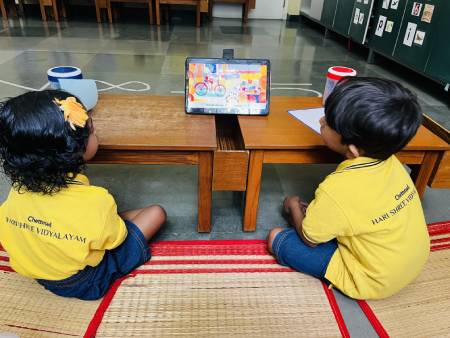
Education today is evolving rapidly, and classrooms are no longer limited to textbooks and blackboards. As parents, many of us wonder how learning can stay relevant while still remaining meaningful and balanced. This is where understanding the role of technology in education becomes important. When used with care and purpose, technology supports deeper learning, curiosity, and real-world readiness for students.
The role of technology in education is not about replacing teachers or human connection. It is about enhancing how children learn, explore, and apply knowledge in a world shaped by constant change.
Understanding the Role of Technology in Education
At its core, the role of technology in education is to support learning in ways that are engaging, flexible, and effective. Technology helps simplify complex ideas, encourages exploration, and allows students to learn beyond the limits of a classroom.
The role of technology in modern education focuses on blending digital tools with thoughtful teaching practices so children remain active participants in their learning journey rather than passive consumers of information.
1. Makes Learning More Engaging
One of the most visible aspects of the role of technology in education is increased engagement. Visual aids, interactive content, and digital resources help students understand concepts more clearly.
In the role of technology in modern education, learning becomes interactive and enjoyable, which keeps students curious and motivated.
2. Supports Different Learning Styles
Every child learns differently. The role of technology in education allows lessons to be presented through videos, visuals, audio, and hands-on digital activities.
This flexibility highlights the role of technology in modern education in supporting individual learning needs and strengths.
3. Encourages Independent Learning
Technology empowers students to explore topics on their own. The role of technology in education encourages children to ask questions, research ideas, and take ownership of their learning.
Through guided use, the role of technology in modern education helps students develop independence and confidence.
4. Enhances Creativity and Expression
Digital tools allow students to create presentations, artwork, stories, and projects. The role of technology in education goes beyond consumption and supports creativity.
In the role of technology in modern education, students are encouraged to express ideas in innovative and meaningful ways.
5. Improves Collaboration and Communication
Learning today is collaborative. The role of technology in education supports group work, discussions, and shared projects, helping students work together effectively.
This reflects the role of technology in modern education in building communication, teamwork, and social skills.
6. Connects Learning to the Real World
Technology helps students see how classroom learning applies to everyday life. The role of technology in education bridges theory and practice through real-world examples and applications.
The role of technology in modern education makes learning more relevant and purposeful.
7. Builds Digital Awareness and Responsibility
Children need guidance to navigate the digital world safely. The role of technology in education includes teaching responsible usage, balance, and digital awareness.
Understanding the role of technology in modern education helps students develop healthy digital habits early on.
8. Supports Personalised Learning
Technology allows learning to move at a child’s pace. The role of technology in education supports personalised learning experiences that respect individual progress.
This personalised approach reflects the role of technology in modern education in creating inclusive learning environments.
Impact of Technology on Student Growth
The impact of the role of technology in education goes beyond academics. When used thoughtfully, technology supports confidence, adaptability, and problem-solving skills.
The role of technology in modern education prepares students to think critically, collaborate effectively, and adapt to new situations with ease.
A Thoughtful Choice for Parents
For parents, understanding the role of technology in education is about balance. The most effective learning environments combine technology with human connection, creativity, and emotional support.
When schools integrate the role of technology in modern education with purpose and care, children benefit from enriched learning experiences without losing the warmth of guided teaching.
Choosing a school that understands the role of technology in education as a supportive tool rather than a replacement for meaningful learning can make a lasting difference in a child’s growth. For parents seeking a future-ready yet grounded education for their children, such environments stand out as thoughtful and reliable choices that truly prepare students for the world ahead.
FAQ:
1. What is the role of technology in education today?
The role of technology in education is to enhance learning by making it more engaging, flexible, and effective. Technology supports deeper understanding, exploration, and real-world application while keeping students actively involved in the learning process rather than replacing teachers or human connection.
2. How does technology improve learning for different types of students?
Technology improves learning by supporting different learning styles through videos, visuals, audio content, and interactive digital activities. The role of technology in education allows lessons to be adapted to individual strengths, helping students learn at a pace and style that suits them best.
3. Does technology encourage independent learning in students?
Yes, the role of technology in education includes encouraging independent learning. With guided use, students learn to research topics, ask questions, and explore ideas on their own, building confidence, responsibility, and ownership of their learning.
4. How does technology support creativity and collaboration in classrooms?
Technology supports creativity by allowing students to create presentations, artwork, stories, and projects using digital tools. It also encourages collaboration through group work, discussions, and shared tasks, reflecting the role of technology in modern education in building communication and teamwork skills.
5. Why is balance important when using technology in education?
Balance is important because technology should support learning, not replace human interaction, creativity, or emotional guidance. The role of technology in education works best when combined with thoughtful teaching, personal connection, and healthy digital habits that support overall student well-being.