




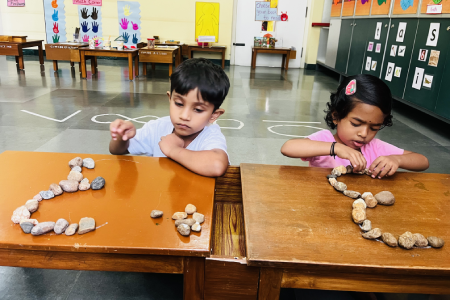
The early years of childhood are a time of wonder, curiosity, and rapid development. During this stage, parents often begin to think deeply about how their child should be introduced to learning outside the home. This is where Early years education plays a meaningful role. Understanding why these early years matter helps parents make thoughtful choices that support long-term growth.
The value of Early years education lies not in early academics, but in nurturing the emotional, social, and learning foundations that shape a child’s future.
1. Builds Emotional Security and Confidence
One of the most important outcomes of Early years education is emotional security. Children learn to feel comfortable in a new environment, trust adults beyond family, and gain confidence in exploring independently.
The importance of Early Years education is clearly seen when children begin to express themselves freely and adapt calmly to new situations.
2. Encourages Social Interaction
In preschool, children interact with peers, learn to share, take turns, and cooperate. These experiences highlight the importance of Early years education in developing social skills that support healthy relationships later in life.
Through Early years education, children understand how to function as part of a group.
3. Develops Language and Communication Skills
Stories, songs, conversations, and play help children build vocabulary and communication skills. Early years education creates a language-rich environment where children learn to listen and express ideas clearly.
This reinforces the importance of Early Years education in building strong communication from an early age.
4. Supports Cognitive Development
Children learn best through play and exploration. Early years education supports thinking, memory, and problem-solving skills through hands-on activities that encourage curiosity.
The importance of Early years education lies in allowing children to learn naturally without pressure.
5. Builds Independence
Simple routines like tidying up, choosing activities, and managing belongings help children become more independent. Early years education gently encourages self-help skills that build confidence and responsibility.
This independence reflects the importance of Early years education in early development.
6. Encourages Curiosity and Creativity
Art, music, movement, and imaginative play are central to Early Years education. These experiences allow children to explore ideas freely and develop creative thinking.
The importance of Early years education is seen in how it nurtures imagination and originality.
7. Establishes Positive Learning Habits
Regular routines help children develop focus, patience, and adaptability. Early years education introduces structure in a gentle way, helping children feel secure and ready to learn.
This structure highlights the importance of Early Years education in preparing children for future learning stages.
8. Supports Emotional Regulation
Young children are still learning to manage emotions. Early years education provides guidance and support to help children understand feelings and respond appropriately.
The importance of Early Years education includes building emotional balance and resilience.
9. Prepares Children for School Readiness
Children who experience quality Early Years education often transition smoothly into primary school. They are familiar with routines, group learning, and basic learning expectations.
This demonstrates the importance of Early Years education in building readiness rather than academic pressure.
10. Creates a Love for Learning
When learning is joyful, children remain curious. Early years education helps children associate learning with exploration and happiness rather than stress.
The importance of Early Years education lies in creating positive early experiences that influence lifelong attitudes toward learning.
Why Early yearsEducation Matters to Parents
For parents, choosing Early Years education is about trust and care. It is about finding an environment where children feel safe, valued, and encouraged to grow at their own pace.
Understanding the importance of Early Years education allows parents to focus on holistic development rather than early competition.
A Thought for Parents
Every child deserves a gentle and meaningful start to learning. When Early Years education nurtures confidence, curiosity, and emotional well-being, children are better prepared for the journey ahead.
Recognising the importance of Early Years education helps parents give their children not just early learning, but a strong foundation for life.
FAQ
1. Why is Early years education important for children?
Early years education is important because it builds emotional security, confidence, and a positive attitude toward learning. It supports a child’s social, emotional, and cognitive development, helping them grow comfortably in a structured environment without academic pressure.
2. How does Early years education support social development?
Early years education supports social development by helping children interact with peers, learn to share, take turns, and cooperate. These early group experiences teach children how to function as part of a community and build healthy relationships.
3. Does Early years education help with language and communication skills?
Yes, Early years education plays a key role in developing language and communication skills. Through stories, songs, conversations, and play, children build vocabulary, learn to listen, and express ideas clearly in a language-rich environment.
4. How does Early years education prepare children for school readiness?
Early years education prepares children for school readiness by introducing routines, group learning, emotional regulation, and independence. Children become familiar with structured learning environments, which helps them transition smoothly into primary school.
5. How does Early years education create a love for learning?
Early years education creates a love for learning by making learning joyful and pressure-free. When children explore through play, creativity, and curiosity, they associate learning with happiness rather than stress, shaping positive lifelong learning attitudes.